Service
Forestry Mulching
One machine. One pass. Underbrush, small trees, and overgrowth cleared and ground into a protective mulch layer right where they stood.
What forestry mulching is
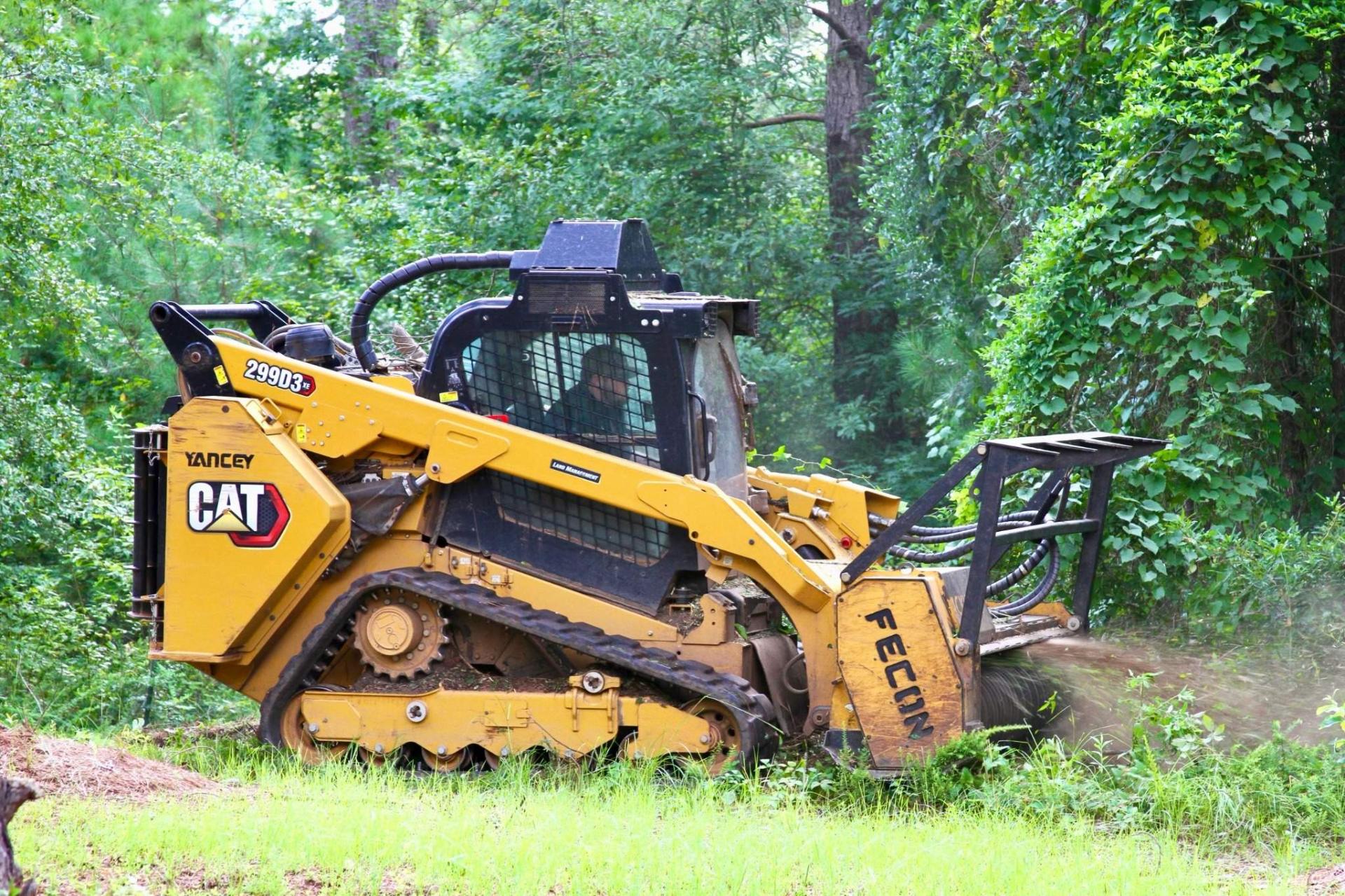
Forestry mulching uses a tracked machine with a high-speed forestry mower head to grind standing vegetation — brush, vines, small trees — into mulch in place. No burn pile, no haul-off, no torn-up ground.
It's the right call for property lines, walking trails, hunting lanes, food plots, fire breaks, fence rows, pasture reclamation, and view clearing — anywhere you want the trees you keep to look like they were meant to be there. On Middle Georgia hunting tracts and rural homesites, it's usually the cleaner, faster choice over a dozer.
We use forestry mulching for underbrush removal, selective clearing, vegetation management, trail and fence-line clearing, and invasive species control. When the project needs a building pad or full stump removal, we'll roll straight into land clearing and grading with the same crew.
Why property owners pick mulching
Erosion Control
Mulch left behind stabilizes soil and prevents washout on slopes and graded ground.
Soil Enrichment
Ground mulch breaks down into your soil, adding nutrients and improving long-term fertility.
Minimal Disturbance
No bulldozing, no piles, no scarred ground. Root systems and topsoil stay intact.
Habitat Friendly
Selective clearing means you keep the trees you want and the wildlife stays around.
Invasive Species Control
Mulching cuts privet, sweetgum, and other unwanted growth off at the root.
Fire Mitigation
Lower fuel loads, defensible spaces, and clean firebreaks around homes and outbuildings.
Cost-Effective
Cut, grind, and clear in one pass. No hauling, no burn piles, no separate disposal.
Year-Round
Works in wet weather and tight spots where dozers and burns aren't an option.
How a mulching job runs
1. Walk & Mark
Owner walks the property with you. We talk through what you want — hunting setup, view, trails, fence lines — and mark what stays and what goes.
2. Written Quote
Fixed price in writing, in plain English. You know exactly what acres get mulched, how aggressively, and what the finished property will look like.
3. Mulch on Site
Tracked mulcher grinds standing brush and small trees into mulch right where they stood. Selective on the trees you want to keep. One pass, one machine.
4. Walk the Finish
We walk it with you when we're done to make sure it matches the spec. No invoice until you're happy with the result.
The machines we run
Skid Steer Mulcher
Tight, agile, and easy on the ground. Great for residential lots, fence lines, and selective work around houses and existing trees.
Tracked Forestry Mulcher
More horsepower for bigger acreage and thicker hardwoods. Wide tracks distribute weight so we don't rut soft Georgia ground.
Support Equipment
Excavators and skid steers on standby for stumps, pond access, or trail cleanup that pairs with the mulching pass.
Forestry mulching on Middle Georgia land
Middle Georgia is mulching country. Big rural tracts, hunting land, long property lines, and pine plantations that grow up fast if nobody touches them for a few years. Privet, sweetgum, and briars take over the understory and turn a usable property into a wall of brush you can't walk through.
Mulching is the right tool for that. It grinds the trash growth flat while leaving the mature pines and hardwoods standing — and the mulch layer it leaves behind protects red clay topsoil from washing out. We've mulched cutovers, hunting tracts, food plots, fence lines, and residential acreage from Upson County down to Talbot and out to Harris County. We know what middle Georgia ground does once the brush is gone.
Recent mulching jobs
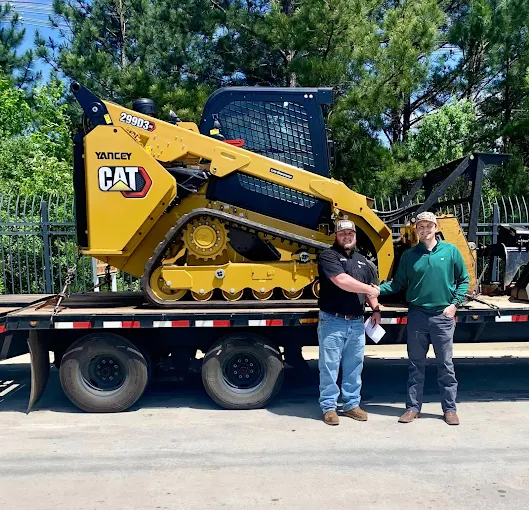
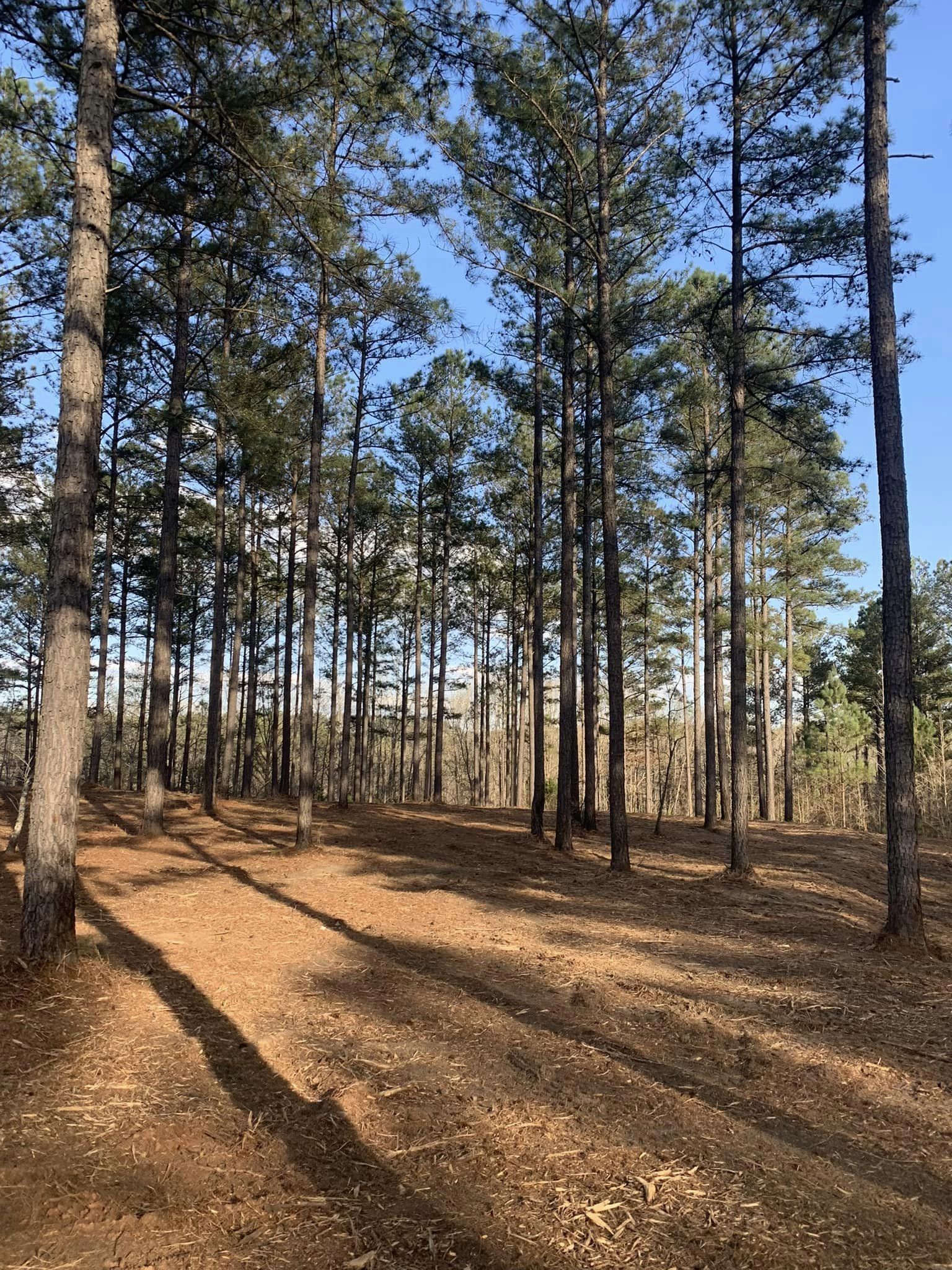
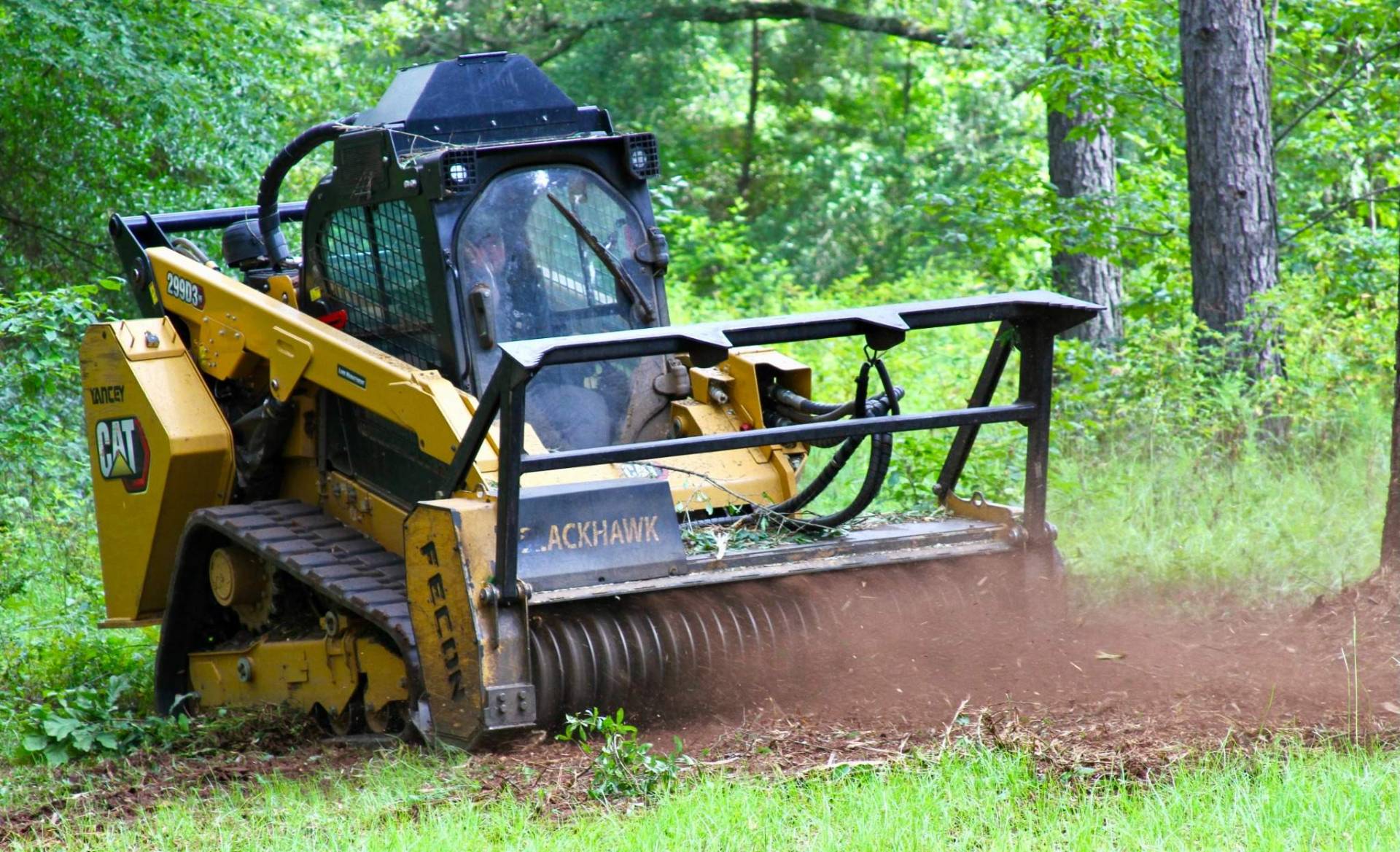
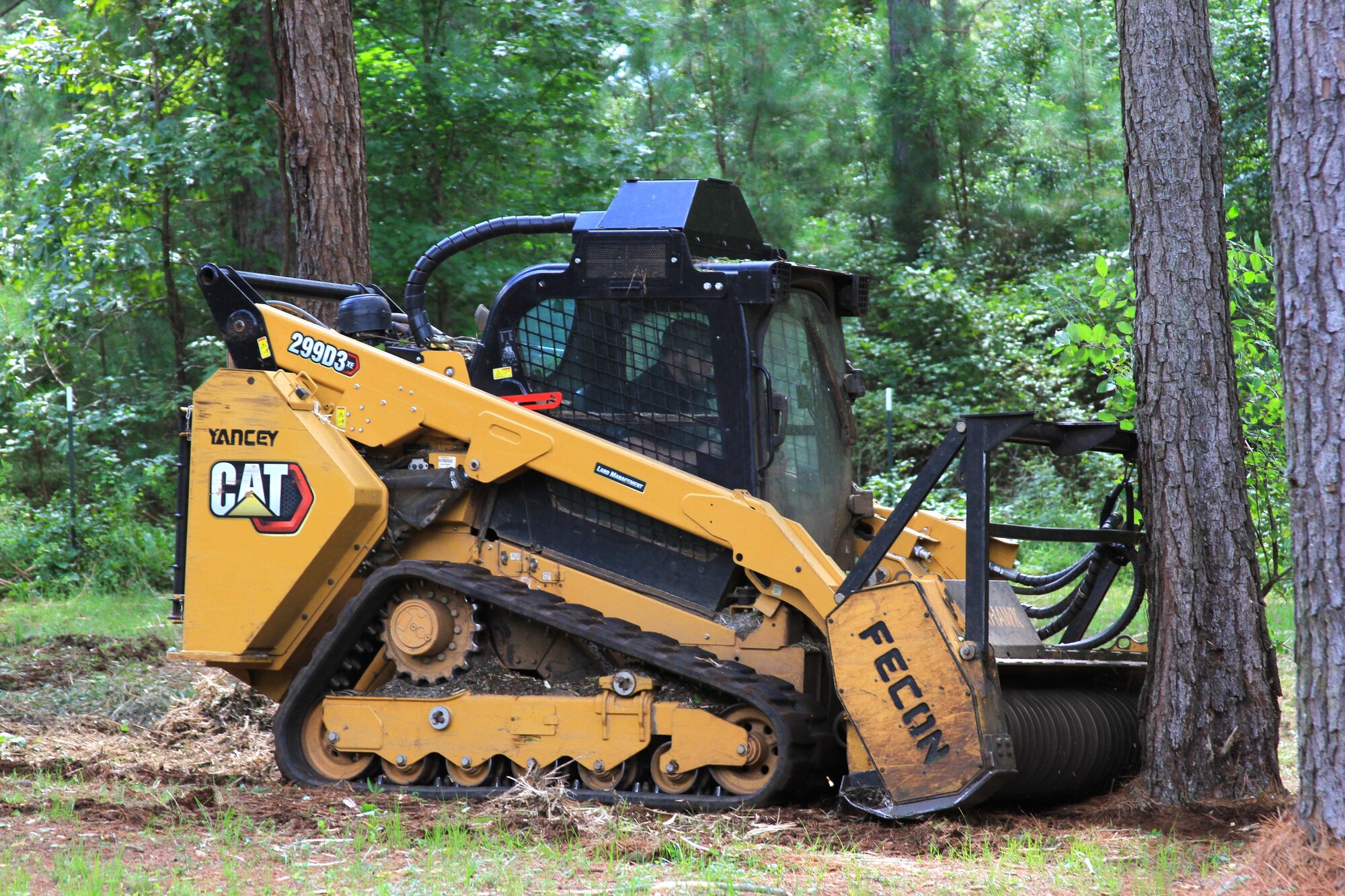
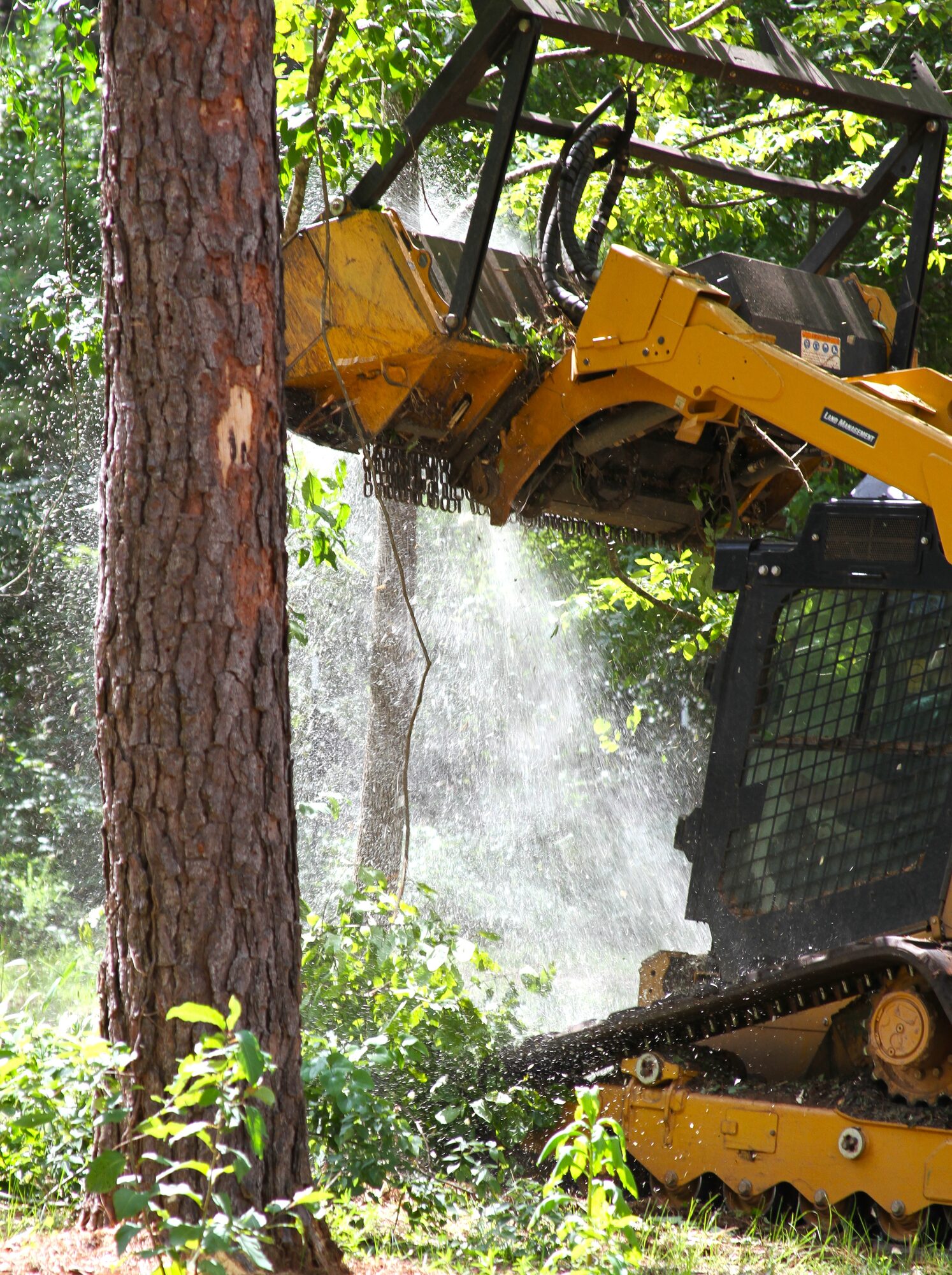
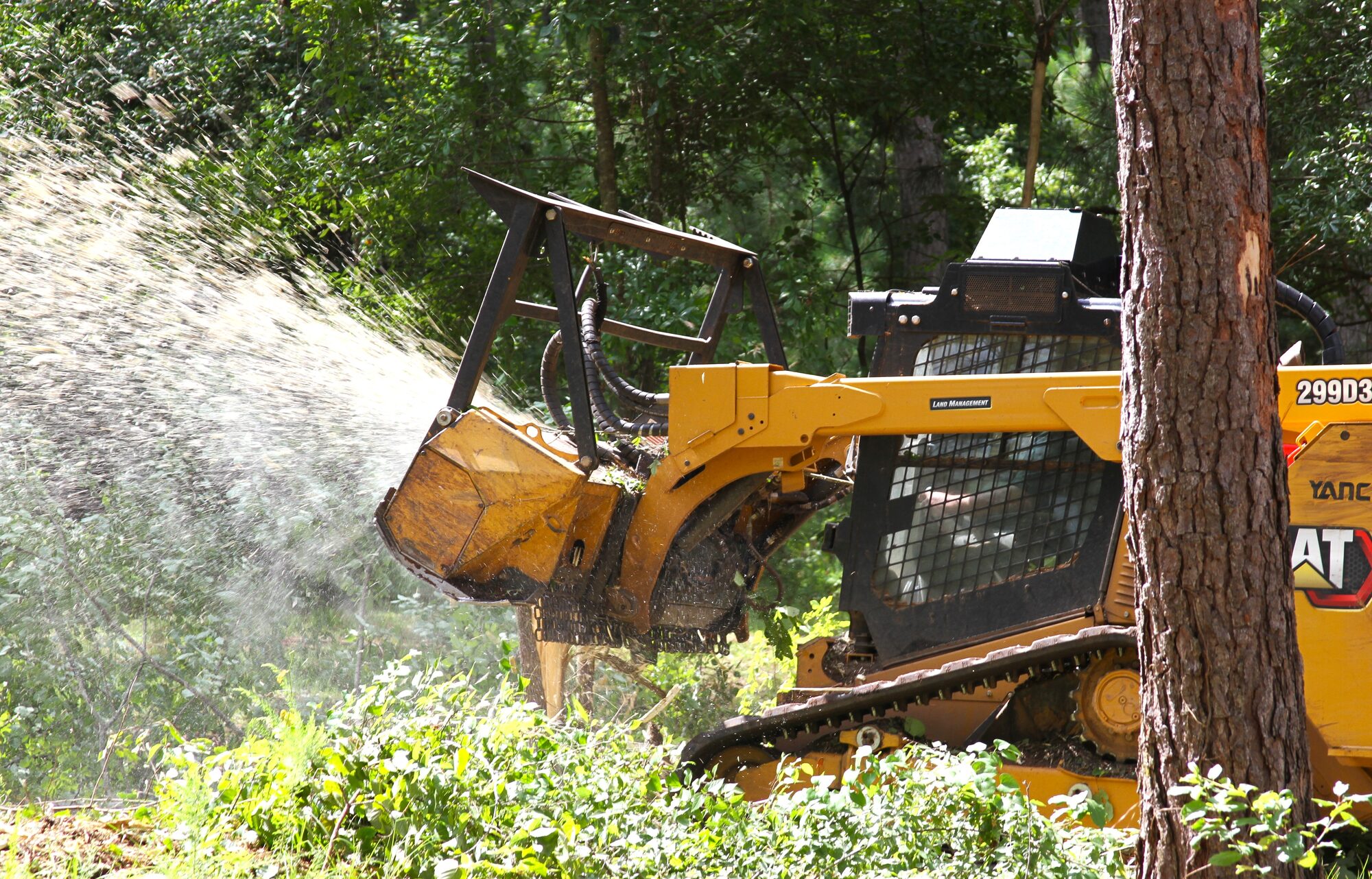
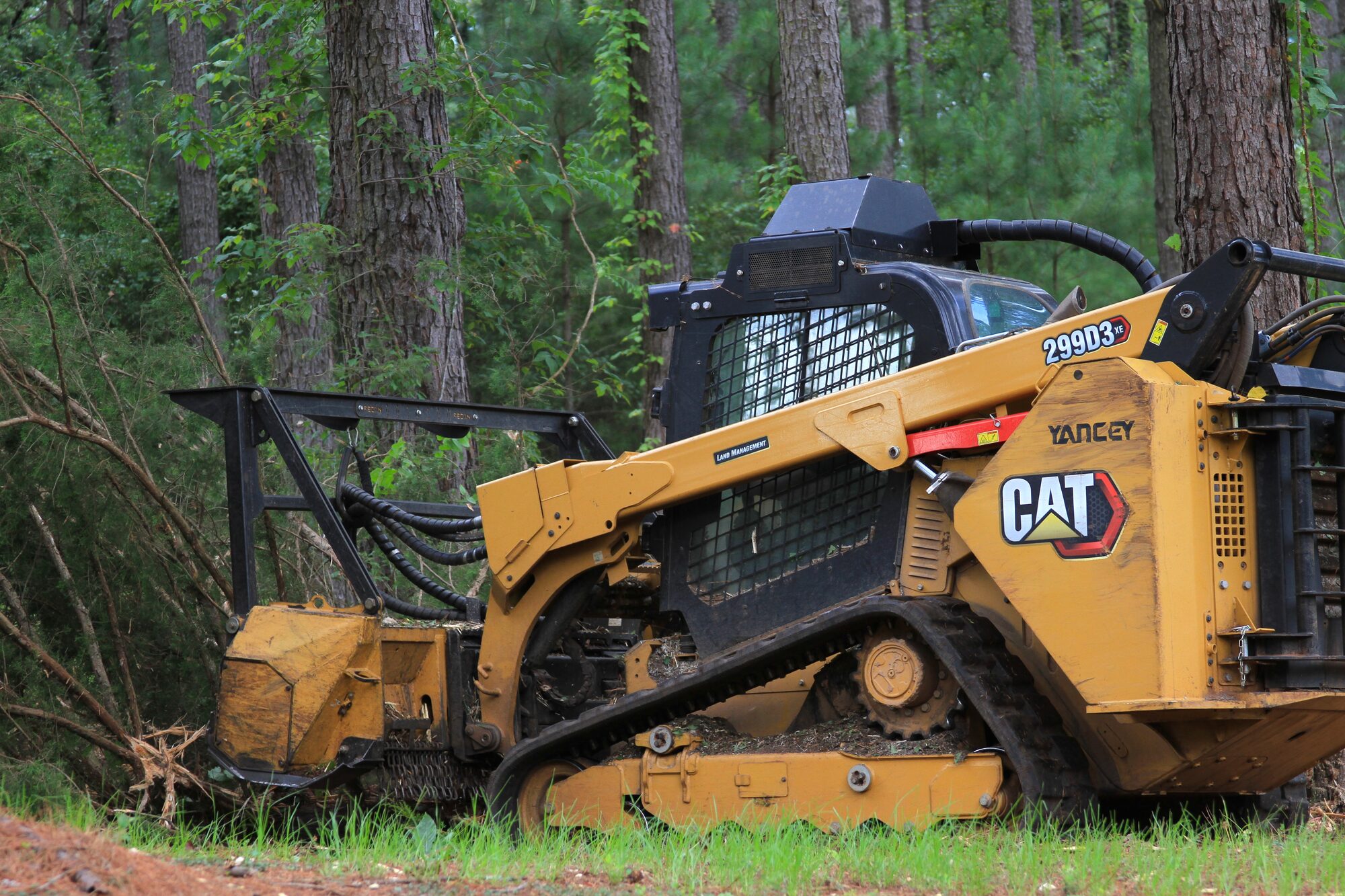
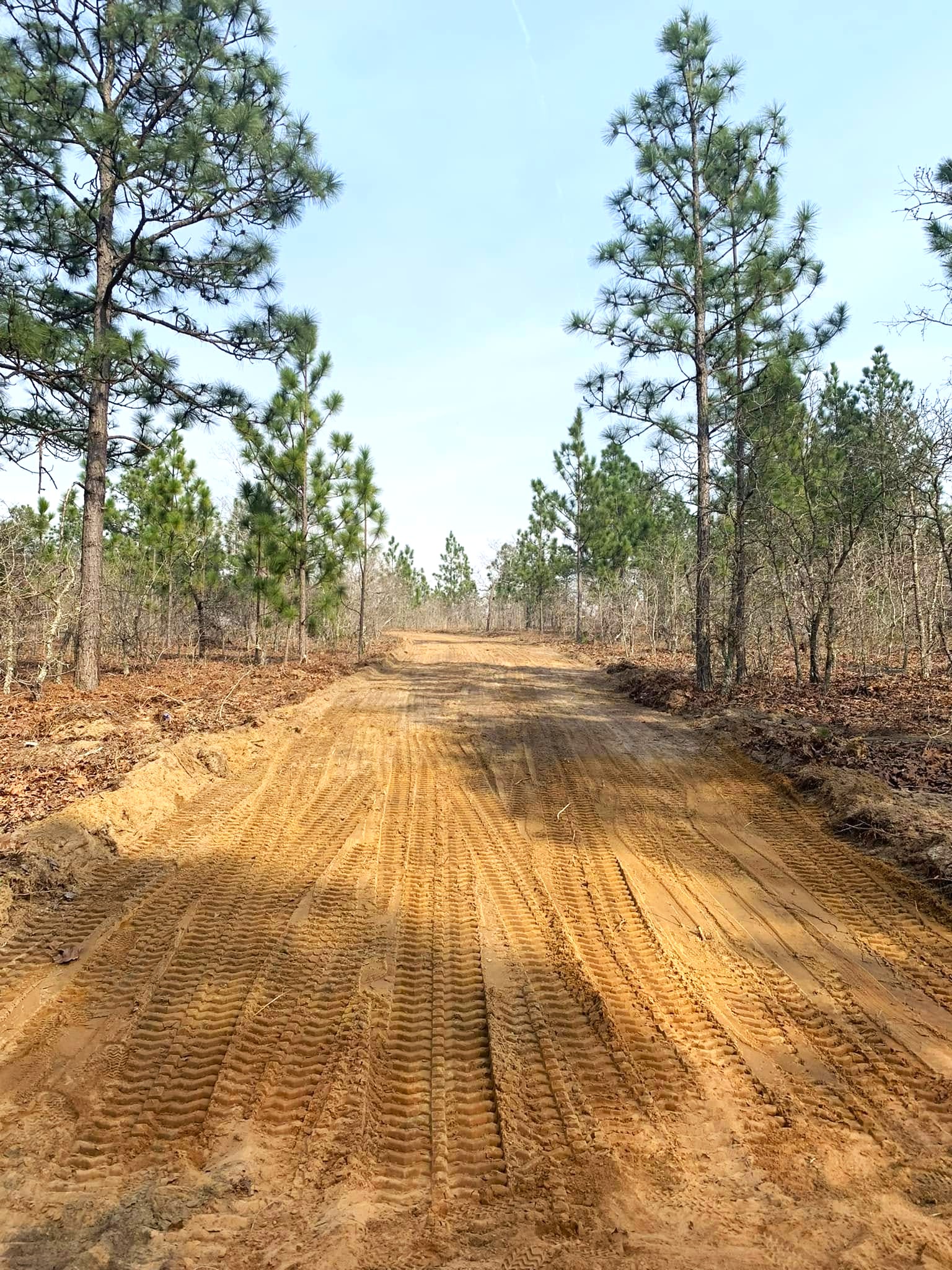
Forestry mulching across Middle Georgia
Thomaston-based and on the road every week across these counties.
Mulching questions
What is forestry mulching, exactly?
+
Forestry mulching is a single-pass clearing method that uses a tracked machine with a high-speed mower head to grind standing brush, vines, and small trees into mulch right where they stood. No burn piles, no haul-off, no torn-up dirt.
How much does forestry mulching cost per acre in Georgia?
+
Most jobs run anywhere from a few hundred to about $1,800 per acre depending on tree density, terrain, and how aggressively you want the property opened up. Light underbrush is cheap; thick hardwoods take longer. We always quote in writing after walking the property.
Will mulching kill the trees I want to keep?
+
No. The whole point of selective mulching is to grind only the brush and small trash trees you don't want, while leaving the mature pines and hardwoods you do want. We walk the property with you and agree on what stays before any work starts.
What's better for my project — forestry mulching or full land clearing?
+
Mulching wins when you want to keep mature trees, avoid burn piles, and protect topsoil — hunting tracts, trails, fence lines, fire breaks, view clearing. Full clearing wins when you need a building pad or pasture with stumps gone. We do both and we'll tell you straight which one fits.
Is the mulch good for the soil?
+
Yes. The ground cover left behind breaks down into the topsoil over a season or two, adding nutrients and helping prevent erosion in the meantime. On Georgia clay that's a real benefit.
Can you mulch in the rain or in winter?
+
Winter is one of the best seasons for mulching — leaves are off, sightlines are open, and the ground is firmer. Light rain we keep going; heavy rain we'll wait out so we don't rut up the property.
Do I need a burn permit if you mulch?
+
No — that's one of the big reasons people choose mulching. Nothing gets burned and nothing gets hauled off, so there's no permit chasing and no smoke complaints from neighbors.